




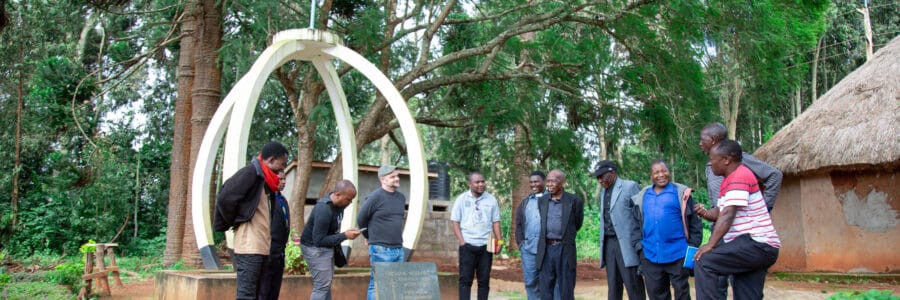
The Iringa Regional Museum and Cultural Center has conducted a focused study to document and preserve community knowledge on animals and hunting an important aspect of the region’s cultural heritage. This research explores how communities benefited from wildlife, the social status of skilled hunters, and the cultural meanings attached to animals, while also examining the impact of colonialism on these practices.
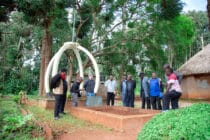
Fieldwork was carried out in Pawaga Division (Mbugani village), Itunduma in Kilolo District, and Pomerini village. Using oral history as a key method, the study engaged respected elders including Lukinga, Yassin Stambuli Mwilinge, Hasheem Nguki, Shaban Omari Swila Ndele, Msungu, Menda, Merckzedeck Ngakonda, and Mzee Luoga. Their testimonies provided valuable insights into traditional hunting systems and their transformation over time.
The findings show that hunting was not only for subsistence but also a symbol of bravery, skill, and leadership. Animal products such as skins and skulls carried strong cultural significance, often representing honor and social status. However, colonial rule disrupted these traditions through restrictions on hunting and the removal of animal remains as trophies.
Importantly, the research also involved identifying some of these animal remains taken during the colonial period, reconnecting them with their original cultural context. This contributes to ongoing efforts in preserving memory, strengthening cultural identity, and supporting discussions on heritage and restitution.
Through this work, the museum continues to amplify community voices and ensure that these important narratives remain part of Iringa’s living history.